
How to Do the T.R.U.E. Test
A step-by-step guide to applying, wearing, and documenting your T.R.U.E. Test so you can get the most accurate results.
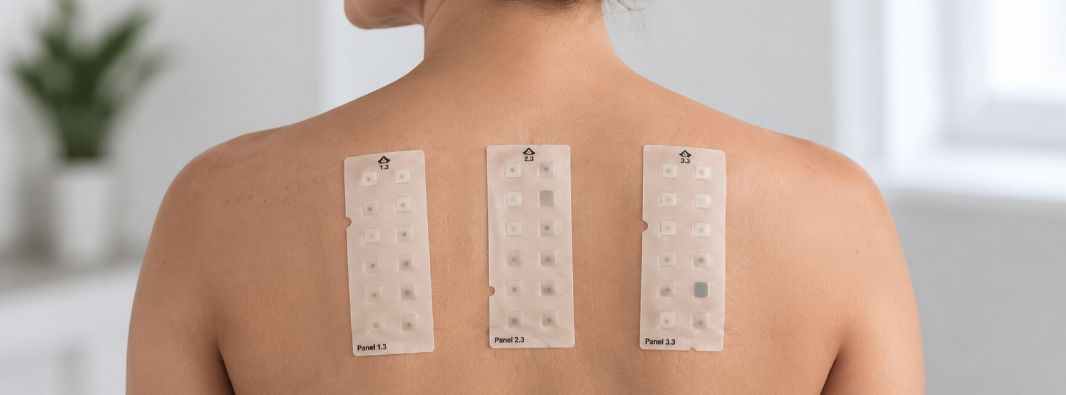
The T.R.U.E. Test is a standardized patch test that helps identify substances that may be causing your skin reactions. This guide walks you through the key steps - from preparation to taking photos and analyzing the results - so you can complete your test correctly and get clear, useful results with tele-derma.
Analyze My TestPrepare Your Skin
Make sure the area on your upper back is clean, dry, and free from lotions, creams, or oils. This helps the patches stick properly and reduces the risk of irritation.
Apply the Patches
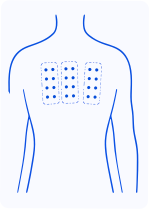
Have a healthcare professional apply the three T.R.U.E. Test patches (1.3, 2.3, and 3.3) to your upper back. Each patch contains 12 allergens (2 columns × 6 rows), for a total of 36 allergens.
Mark Reference Points
IMPORTANT: Mark the patch reference points with a permanent marker before removal. These marks preserve the position of each patch, so individual test sites can be correctly identified in later photos.
Wait for 48 Hours
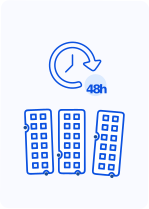
Keep the patches in place for 48 hours. Avoid getting them wet and minimize activities that may cause excessive sweating.
Remove the Patches
After 48 hours, carefully remove the patches. Do not reapply them. If a patch became loose, moved, got wet, or came off early, make a note of it and tell your healthcare professional, as this may affect the results.
Take Photos at the Right Times
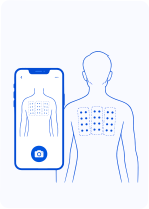
Take clear photos of your back at 48, 72, and 168 hours (7 days). These photos allow tele-derma to analyze your reactions and track how they change over time.




Recommended Photo Times
For the most complete results, take photos at:
48 hours
2 daysApply the patches following the test instructions. Remove them after 48 hours and take first picture.
72 hours
3 daysTake another clear photo in the same position. If the reference marks are fading, redraw them carefully before taking the picture.
168 hours
7 daysTake the final photo even if the reactions look faint or hard to see. Late changes can still help identify the allergen sites.
Questions About tele-derma

Ready to Analyze a T.R.U.E. Test?
Upload one or multiple photos of your test and let AI help you understand each reaction.